Neuroplasticity refers to the natural ability of the brain to change, adapt, and reform itself throughout the lifespan.
This is shaped by experiences, behaviours, and emotions. The brain is able to form new neural connections, strengthen existing ones, and reduce those that are no longer useful. While it is especially strong in childhood, adult brains continue to adapt in response to experiences and new learning.
This is a big part of what happens in therapy because many patterns that bring people into the room are rooted in previously learned (and oftentimes heavily practiced) responses. Patterns such as shutting down, emotional reactivity, or people-pleasing may have once been protective in nature, but continue to occur even when they don’t feel needed.
Neuroplasticity tells us that those patterns don’t have to be permanent.
How the Brain Learns Patterns
Our brains are constantly taking in information, scanning for safety and meaning about the world and ourselves in it.
The brain is adaptable in response to constant stress, trauma, or attachment wounds, figuring out how to survive. Certain areas of the brain, such as the amygdala which detects threats, can become more reactive. This leads the nervous system to spend more time in fight, flight, freeze, or fawn. Neural pathways associated with fear or shame become strengthened through repetition.
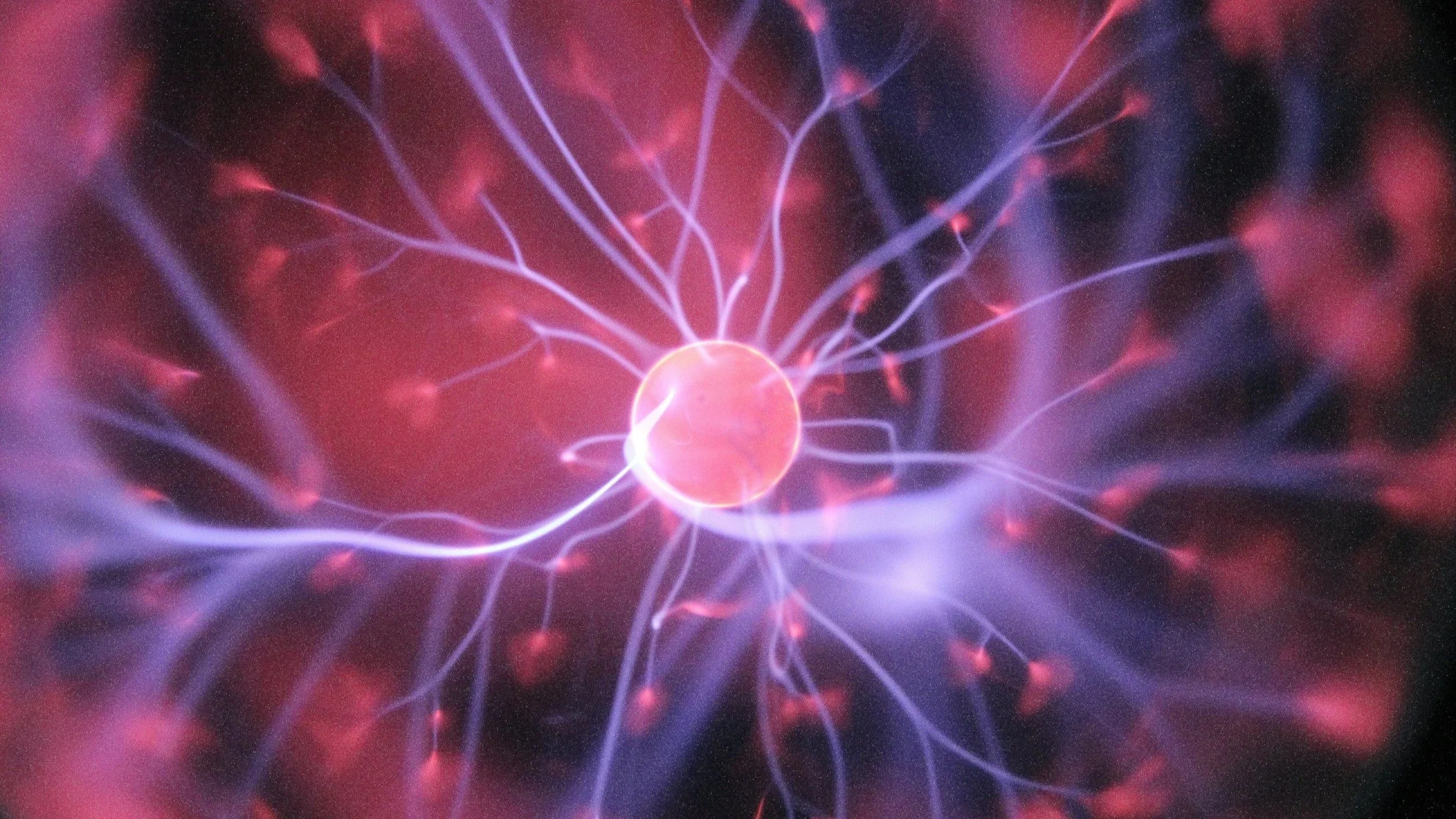
“Neurons that fire together wire together.”
— Donald Hebb
“Neurons that fire together wire together”, is a phrase attributed to psychologist Donald Hebb. This idea proposes that repeated experiences strengthen certain neural connections. For a child who repeatedly experiences criticism when making a mistake, their brain may associate making mistakes with danger. They may grow up learning to stay alert to unpredictability and their brain wired towards hypervigilance or perfectionism.
This pattern is an adaptation that is shaped by experience. The hopeful part is that the brain can also rewire.
How Therapy Guides Changes
Therapy works in part because it offers new experiences that can shape new neural pathways. Relationships are influential on brain development and change. A safe and attuned therapeutic relationship can help regulate the nervous system.
When someone shares a painful memory and is met with compassion instead of shame, the experience feels safer. The brain learns: I can be seen and not rejected. I can feel this and still be safe.
Repeated experiences of safety, regulation, and reflection begin to strengthen new adaptive neural networks. Somatic approaches contribute to neuroplasticity as well. When clients learn to track their nervous system, notice signs of activation, and practice regulation strategies, they are training their brain and body to respond differently.
Neuroplasticity and Memory Reconsolidation with EMDR
Eye Movement Desensitization and Reprocessing, also known as EMDR, is grounded in research showing that traumatic memories can become stored as fragments. Instead of being integrated as something that happened in the past and filed away into long-term memory, the brain can interpret these experiences as present and immediate.
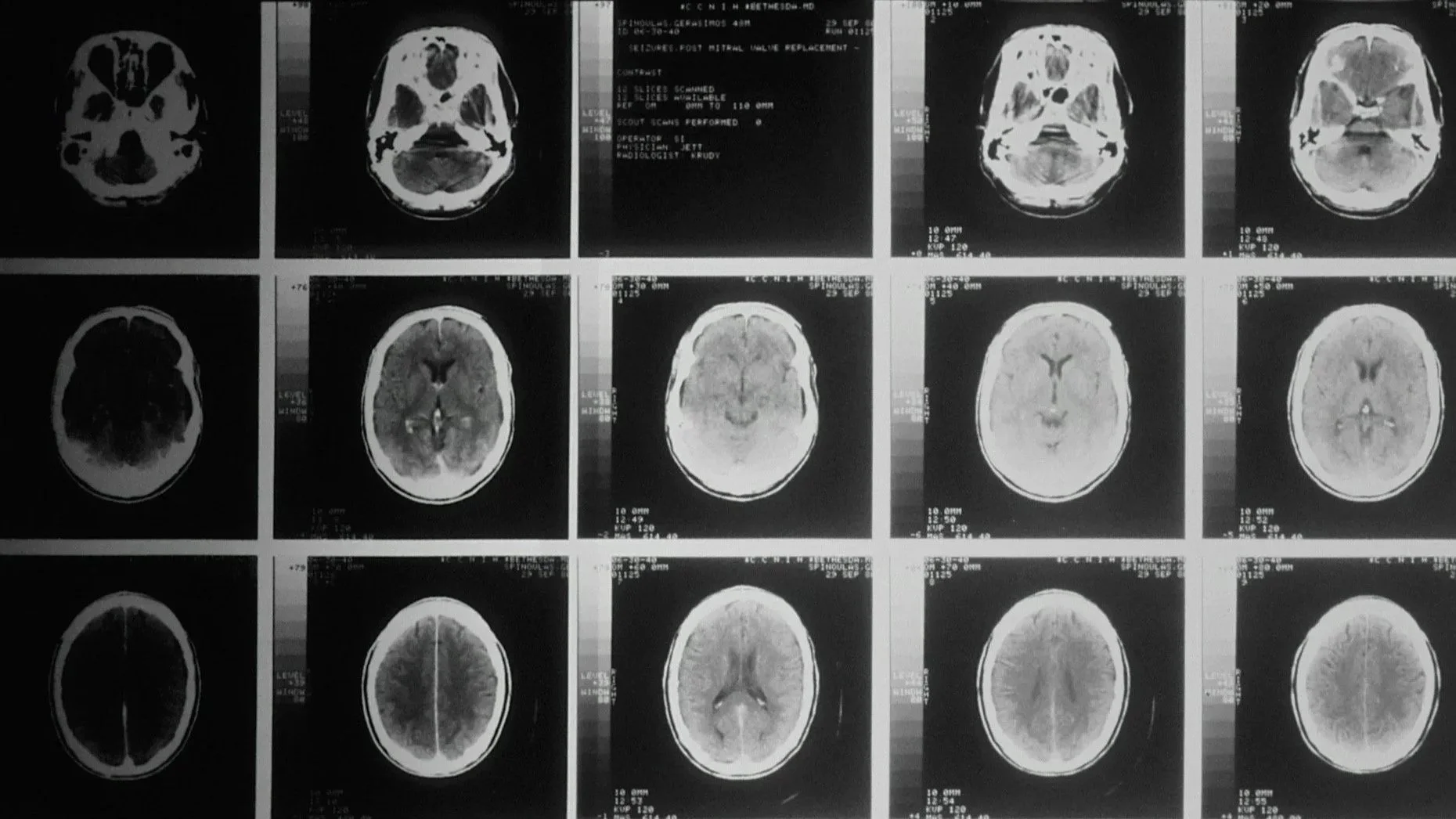
Neuroscience research on memory reconsolidation shows that when a memory is activated, it becomes briefly malleable again. During this window in EMDR, new information can be integrated.
In an EMDR session, a client recalls a distressing memory while also engaging in bilateral stimulation such as guided eye movements or tapping. By engaging dual attention, the brain is able to process the memory so that it becomes less emotionally charged and better integrated. Rather than the memory disappearing, it shifts from “this is happening now” to “this happened, and I survived.”
Brain imaging studies have shown changes in activation patterns following EMDR treatment, including reduced activity in threat-detecting regions and increased engagement in areas that involve regulating and meaning-making. This reflects neuroplastic change: the brain is updating how it stores and responds to the experience.
Learn more about EMDR here
Hope for the Future
Understanding the ability of our brains to change, neuroplasticity, can soften the belief that we aren’t capable of change. Many people come to therapy feeling stuck in patterns that can feel automatic and unchangeable. It makes sense to feel that way when a pattern has been practiced and reinforced for years.
Neuroplastic change isn’t necessarily quick or easy. The brain builds pathways through repetition. Change also requires repetition. Consistent practice, corrective experiences, and intentional reflection are all part of the process.
It also does not mean that you should blame yourself for struggling. If your nervous system has learned to stay on high alert, it probably had a good reason. If you shut down under stress, that response probably helped you survive during difficult times. Therapy is not about erasing those adaptations. It is about expanding your capacity so you have more choice in how you respond.
The brain is shaped by experience. That includes painful experiences, and it also includes healing ones.
Each time you respond to yourself with compassion rather than criticism, you are strengthening a different pathway. Each time you set a boundary and tolerate the discomfort, you are building new associations around safety and self-trust. Each time you process a traumatic memory in a supportive way, your brain has an opportunity to store it differently.